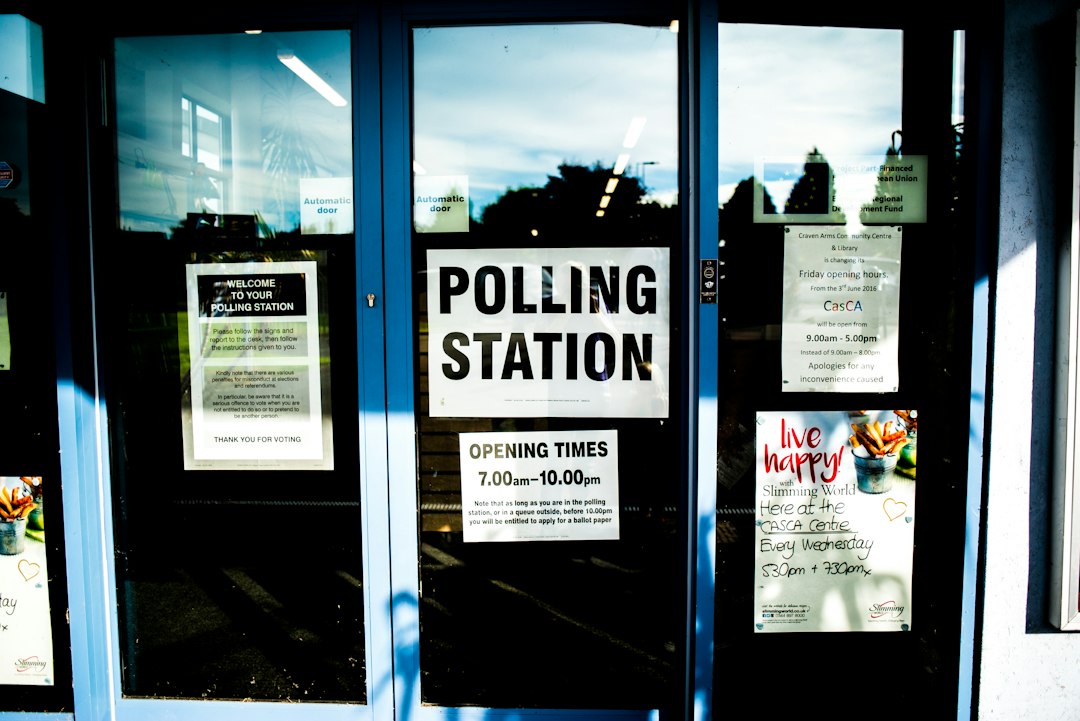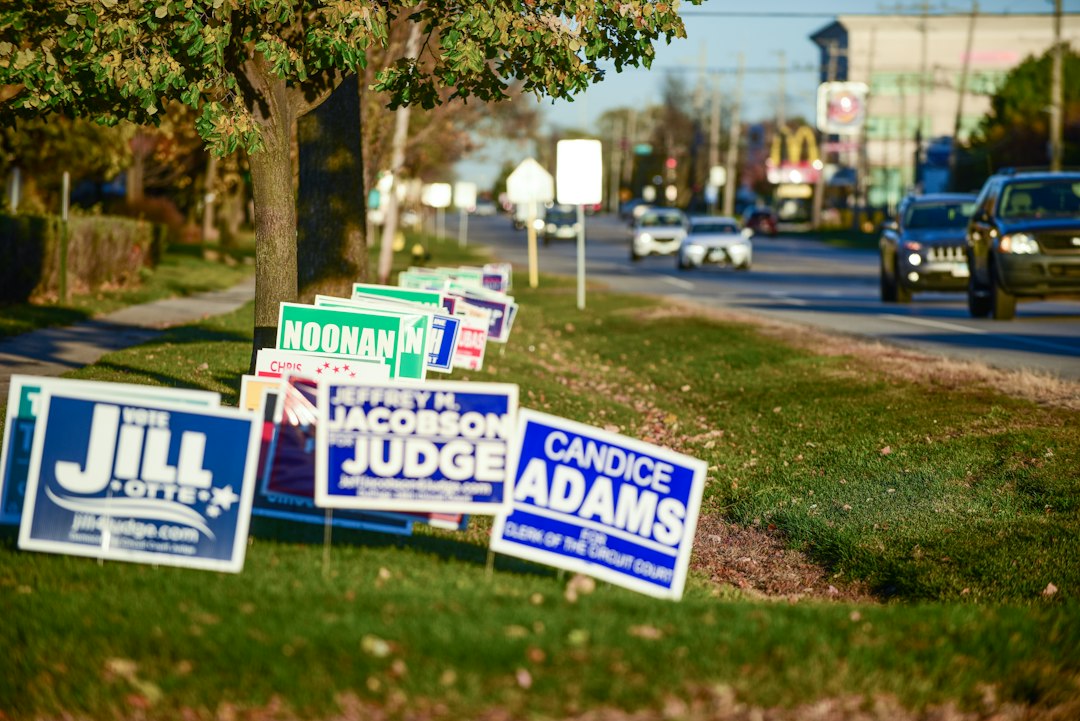
What will drive voters’ choices—and what will those choices tell us about how to govern? These eight questions begin Run with Ralph’s 25 Key Questions About the 2026 Elections, a framework for following the elections now and testing our interpretations against the evidence afterward.
How much will household costs, financial insecurity, and people’s ability to get ahead drive their choices? Look beyond immediate bills to whether voters see a realistic path toward buying a home, raising a family, getting health care, and retiring securely.
Will voters connect those decisions to higher costs and diminished economic opportunities? We should also examine whether their reactions reflect concerns about the decisions themselves, presidential judgment, or promises they feel were broken.
When people are struggling financially, does hearing that the economy is strong reassure them—or make them feel unheard? Watch whether voters trust the administration’s account of the economy and whether dismissing their concerns deepens their frustration.
Will exhaustion with the constant conflict, drama, and demands for attention change how people vote—or whether they vote? Supporting a Democrat, skipping a race, and staying home are different responses, with different implications for interpreting the results.
Will people punish officials they believe are using public office for private gain? Corruption deserves attention as an issue in its own right: a question of honesty, fairness, and whose interests government serves.
People may tolerate some misconduct when they feel they are doing well and do not believe they are paying for it. Does that tolerance diminish when they are struggling and see those in power benefiting at their expense? “They benefit, you pay. They mess up, you pay” captures a connection we should test against voters’ explanations of their choices.
How will people respond to raids, detention, deportation practices, and concerns about due process and the treatment of families and communities? Voters can support immigration enforcement and object to how it is carried out. Watch whether those objections influence people beyond the communities directly affected.
Will data centers’ demands for electricity and water, effects on utility bills, job displacement, and broader AI dangers influence voters? Look for whether candidates connect these concerns to people’s lives and offer credible proposals to address them.
Several concerns may reinforce one another, and their importance may vary across communities. We’ll need to distinguish changes in voters’ preferences from changes in who turns out—and avoid treating every victory as an endorsement of everything a candidate proposed.
From the Run with Ralph perspective, the deeper question is whether candidates connect people’s needs, sound proposals, and a credible ability to deliver. Does this person understand my life? Do their ideas make sense? Will they improve things?
Follow along at RunwithRalph.com as we examine the results and draw lessons for making life more affordable, expanding opportunity, and building a governing majority that earns lasting support through results. Find all 25 Key Questions About the 2026 Elections and subscribe for updates.
This website contains affiliate links, which means eDad Enterprises LLC may earn a commission at no extra cost to you. As an Amazon Associate, I earn from qualifying purchases. Learn more in Affiliate and Sponsorship Disclosure.