Fix Together. Show Results. Build Trust.
Politics and government are not producing the results people need. Too many Americans are squeezed by rising costs, blocked from opportunity, and shut out of decisions shaping their lives. When promises fail to improve daily life, trust erodes. People become less willing to participate and work together, making shared problems—and the broken systems behind them—harder to fix.
Run with Ralph develops new strategies for better politics and government through three efforts: (1) Affordability & Opportunity Agenda about what needs to change; (2) The Governing Majority about building democratic power to make change; and (3) role-based Playbooks about helping people and groups contribute to change.
Join Ralph’s email list to get resources about improving politics and government.

You can unsubscribe from Ralph's list at any time.
Why New Strategies Are Needed
Rising costs, weakening opportunity, and declining trust are connected consequences of systems—markets, laws, institutions, and public programs—that too often fail to produce the results people need.
When daily life does not improve or gets worse, trust breaks down, weakening our capacity to solve shared problems.
In that climate, people may become more receptive to change through domination strategies. However, the politics of domination concentrates power, favors a select few, reduces people’s agency, and makes systems less accountable and responsive. Distrust deepens.
Distrust creates a central political conundrum: Republicans can become unpopular without Democrats becoming popular. Winning an election does not necessarily create a durable governing mandate when voters do not trust that promised change will happen. Without a durable governing majority, there is not enough power or capacity to change the systems producing bad outcomes.
The economy is not weather. It can be changed. Different rules, incentives, investments, and power arrangements produce different results. Changing systems changes outcomes.
Improving the economy and rebuilding trust require changing failing systems with the people affected and producing results they can see and feel. That demands new strategies to define what should change, build democratic power, and help people and organizations contribute.
New Strategies for Change
Run with Ralph is developing three connected sets of strategies. Together, they explain what needs to change, how to build the democratic power to make change, and how people and organizations can contribute to change.
Showing What Needs to Change
The Affordability & Opportunity Agenda shows what needs to change to make the basics affordable, expand opportunity, strengthen people’s voice and agency, and help people and communities adapt to change.

Building Power for Change
The Governing Majority framework focuses on building a durable, pluralistic majority capable of winning democratic power, changing failing systems, improving people's daily lives, and governing well over time.
Contributing to Change
The Playbooks are role-based guides focused on helping candidates, campaigns, Democratic groups, trusted messengers, organizations, and community leaders put practical strategies into practice.
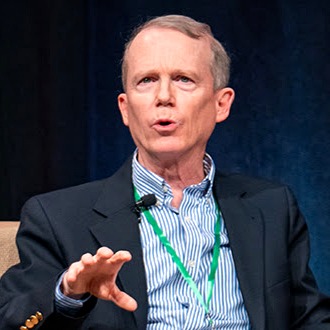
Why I Created Run with Ralph
I began Run with Ralph more than five years ago on TikTok to share what I had learned from decades of work in campaigns, government, law, business, nonprofit leadership, advocacy, and systems change.
I have seen how politics and government can substantially improve people's daily lives—and also how good intentions can become trapped in broken or rigged systems that fail the people they are supposed to serve.
Over time, Run with Ralph has grown from political commentary and strategies for candidates and campaigns into a broader project focused on improving politics and government.
Its purpose remains the same: to help people and organizations change failing systems, produce improvements in daily life that people can see and feel, and rebuild trust over time so politics and government can meet the pressing challenges of our time.
Where to Go Next
Run with Ralph will continue developing the Affordability & Opportunity Agenda, The Governing Majority, and role-based Playbooks.
Join Ralph’s email list to follow the work and receive new resources as they become available.
You can unsubscribe from Ralph's list at any time.
This website contains affiliate links, which means eDad Enterprises LLC may earn a commission at no extra cost to you. As an Amazon Associate, I earn from qualifying purchases. Learn more in Affiliate and Sponsorship Disclosure.
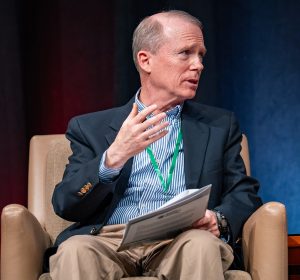
Photographs of Ralph courtesy of the NC State Institute for Emerging Issues