
Affordability & Opportunity Reforms
A practical roadmap for lowering costs, expanding opportunity, rebuilding trust, and making daily life work better.
Reforms in the Affordability & Opportunity Agenda are organized around six connected areas where people feel the pressure of broken or poorly designed systems in their daily life.
Each area includes reform topics that explain affordability and opportunity challenges people face, the systems producing those results, who benefits from current rules, who pays the price, who bears risk, what needs to change to produce different results, and what functions of government can be used.

Use the six reform areas below to explore where the Agenda is headed and get updates as new reform pages are released.
#6
Prepare for
Disruption
AI, climate shocks, longevity, energy demands, and global competition
# 1 Make the Basics Affordable
People need daily life to work. Housing, child care, health care, food, utilities, transportation, and basic household stability should not consume so much of a family’s budget that opportunity disappears.
This reform area focuses on the systems that shape the cost of everyday essentials. The goal is not just short-term relief, although relief matters. The goal is to redesign markets, public programs, infrastructure, and delivery systems so people can afford the basics, plan for the future, and build a decent life.
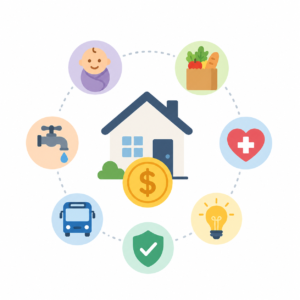
Use the buttons below to explore the six Make the Basics Affordable sub-areas. New pages will be linked here as they are published, and you can join the email list to get rollout updates.
Housing Affordability
and Supply
Utilities, Energy, and Household Infrastructure
Children, Families, and Early Care
Caregiving, Aging, and Long-Term Stability
Health Care and
Public Health
Food, Debt, and
Income Stability
# 2 Unrig Markets and Prices
People need markets that are fair, competitive, and accountable. Too often, prices are pushed higher by market power, hidden fees, weak rules, speculation, consolidation, and extraction.
This reform area focuses on unrigging the rules and power structures that shape prices. The goal is to make competition work, protect consumers, give workers and small businesses a fair shot, and stop powerful interests from driving up costs without creating real value.

Use the buttons below to explore the six Unrig Markets and Prices sub-areas. New pages will be linked here as they are published, and you can join the email list to get rollout updates.
Market Power and Competition
Private Equity and Extractive Ownership
Consumer Protection and Price Fairness
Housing, Land, and Asset Speculation
Public Capture, Subsidies, and Cronyism
Labor, Capital, and
Fair Returns
# 3 Build Good Jobs and Upward Mobility
People need work that provides stability, dignity, and a real path forward. A good job should help people support themselves, care for their families, build skills, and move toward a better future—not leave them underpaid or one disruption away from crisis.
This reform area focuses on the systems that shape work, wages, education, training, and mobility. The goal is to build stronger pathways into good jobs, support workers through change, and help people gain the skills, protections, and opportunities they need to stand on their own feet and contribute.

Use the buttons below to explore the six Build Good Jobs and Upward Mobility sub-areas. New pages will be linked here as they are published, and you can join the email list to get rollout updates.
Wages, Work, and
Worker Power
Care Economy and Community-Based Work
Education, Skills, and Career Pathways
AI-Era Learning and Youth Opportunity
Regional and Place-Based Mobility
Industrial and Future-Economy Strategies
# 4 Make Delivery Systems Work
People need public systems that are simple, reliable, and built around real life. Too often, people fall through the cracks not because help does not exist, but because programs, agencies, applications, rules, and providers are fragmented, confusing, slow, or hard to navigate.
This reform area focuses on how government and community systems actually deliver results. The goal is to make services simpler, faster, more connected, and more accountable, so people can get what they need without starting over at every door or losing support because systems do not talk to each other. Delivery is where promises become real—or where they break down.
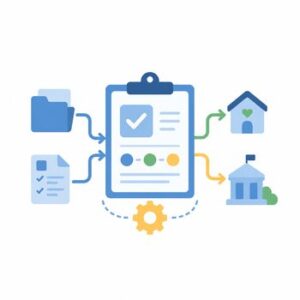
Use the buttons below to explore the six Make Delivery Systems Work sub-areas. New pages will be linked here as they are published, and you can join the email list to get rollout updates.
Access, Navigation, and Front Doors
Government Technology and Service Modernization
Human Services and Public Health Systems
Housing, Homelessness, and Community Conditions
Public Management, Investment, and Implementation Capacity
Learning, Feedback, and Systems Change
# 5 Strengthen Democratic Guardrails
People need democracy that is fair, accountable, and strong enough to reflect their lives. When rules are manipulated, power is concentrated, or corruption goes unchecked, affordability and opportunity suffer. Decisions start serving those with the most money, access, or control.
This reform area focuses on the guardrails that make self-government possible: voting rights, fair representation, checks and balances, transparency, ethics, and the rule of law. The goal is to strengthen democratic accountability so public decisions reflect real lives, real costs, and real needs.

Use the buttons below to explore the six Strengthen Democratic Guardrails sub-areas. New pages will be linked here as they are published, and you can join the email list to get rollout updates.
Voting, Representation, and Fair Maps
Constitutional Democracy and Rule of Law
Anti-Corruption and Public Accountability
Civic Safety, Trust, and Belonging
Democratic Legitimacy at Home and Abroad
Public Purpose, Defense, and Accountability
# 6 Prepare for Disruption
People need communities that can handle change before it becomes crisis. AI, climate shocks, rising energy demand, longevity readiness, global conflict, food and water stress, and rapid technology shifts can all raise costs, disrupt work, strain families, and weaken opportunity if we wait too long to prepare.
This reform area focuses on building resilience for the disruptions already reshaping daily life. The goal is to help communities anticipate change, protect affordability, invest wisely, manage transitions, and make sure people are not left on their own when the future arrives.
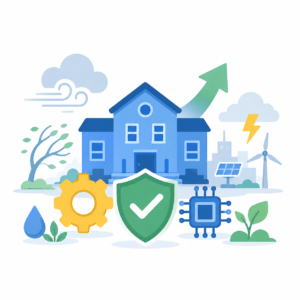
Use the buttons below to explore the six Prepare for Disruption sub-areas. New pages will be linked here as they are published, and you can join the email list to get rollout updates.
AI, Work, and
Technology Transition
Data Centers, Infrastructure, and Energy
Climate, Insurance, and Environmental Justice
Food, Water, Farming, and Resource Resilience
Longevity Readiness and Social Resilience
Risk, Defense, and Future-Ready Communities
Pages Are Rolling Out
The Affordability & Opportunity Agenda is being built over time. Each sub-area will eventually have its own page with a fuller explanation of the challenge, the systems involved, who benefits, who pays, who bears risks, what can be changed to produce different results, and what functions of government can be used.
As pages are published, the buttons above will link directly to them. Until then, join Ralph’s email list to get rollout updates, new reform pages, guides, and practical tools.
You can unsubscribe from Ralph's list at anytime.

This website contains affiliate links, which means eDad Enterprises LLC may earn a commission at no extra cost to you. As an Amazon Associate, I earn from qualifying purchases. Learn more in Affiliate and Sponsorship Disclosure.